Activity-1 Developing of Sustainable Urban Mobility Plans for 5 Municipalities
Task 1.1 – Set Up Working Structure, Determining the Planning Framework and Stakeholder Engagement
Task 1.2 – Analysis of Current State of Mobility
Task 1.3 – Strategy Development
Task 1.4 – Measure Planning and Selection of Preferred Scenario
Task 1.5 – Preperation of the Plan
Activity-2 Training on Developing and Implementation of SUMP and Creating Community of Practice
Task 2.1 – Training on Developing and Implementing of SUMPs
Task 2.2 – Community of Practice
Kocani
Kocani is a picturesque town located in eastern North Macedonia, nestled in the fertile Kočani Valley at the base of the Osogovo Mountains. It is best known for its rice fields, which are among the most productive in the Balkans, thanks to a unique geothermal irrigation system that draws warm water from natural underground springs. The town’s agricultural success is matched by its historical depth, with archaeological findings indicating settlements dating back to Roman times. Kočani offers a peaceful environment surrounded by natural beauty, mineral springs, and hiking trails, making it a quiet yet enriching destination for both tourists and nature lovers.
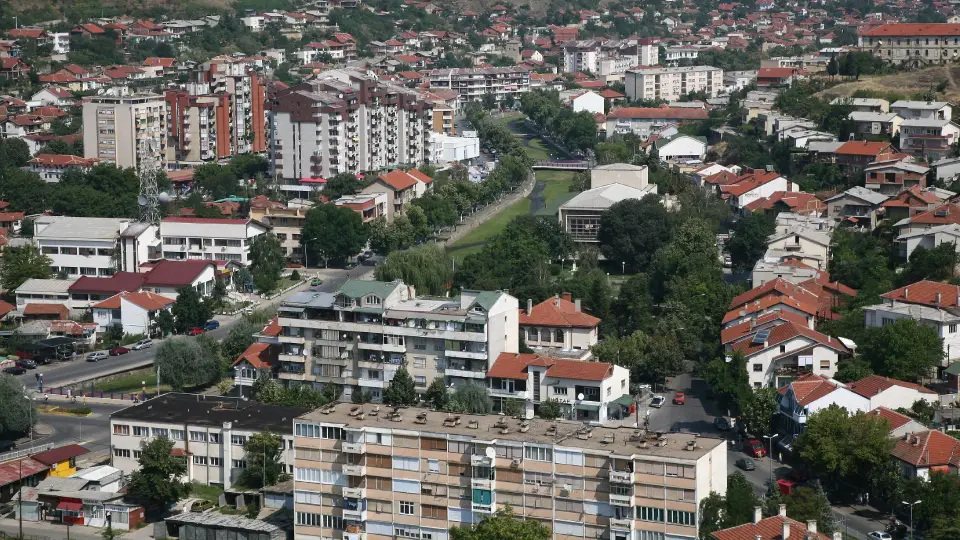
Kocani (Pop: 31.602): Known for its rice production, the city’s connectivity improvements will facilitate better access to agricultural markets and enhance economic opportunities for its residents.
Population Related Information:
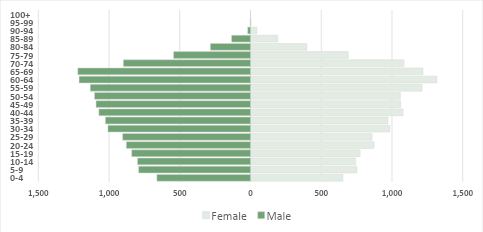
| Population | Households | Household Size | |
|---|---|---|---|
| North Macedonia | 1,836,713 | 598,632 | 3,07 |
| Vardar Region | 150,234 | 55,781 | 2,69 |
| Kochani | 31,602 | 12,006 | 2,63 |
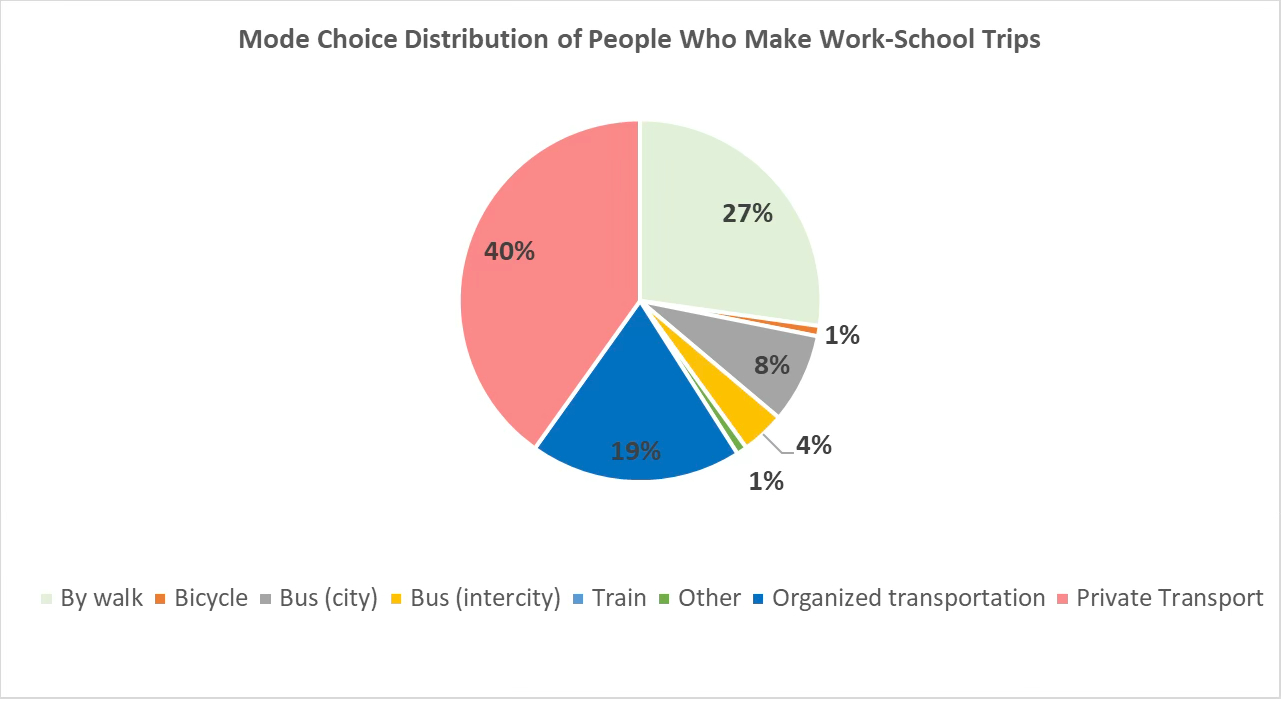
Mode Share Information:
Land Use and Road Hierarchy Related Information:
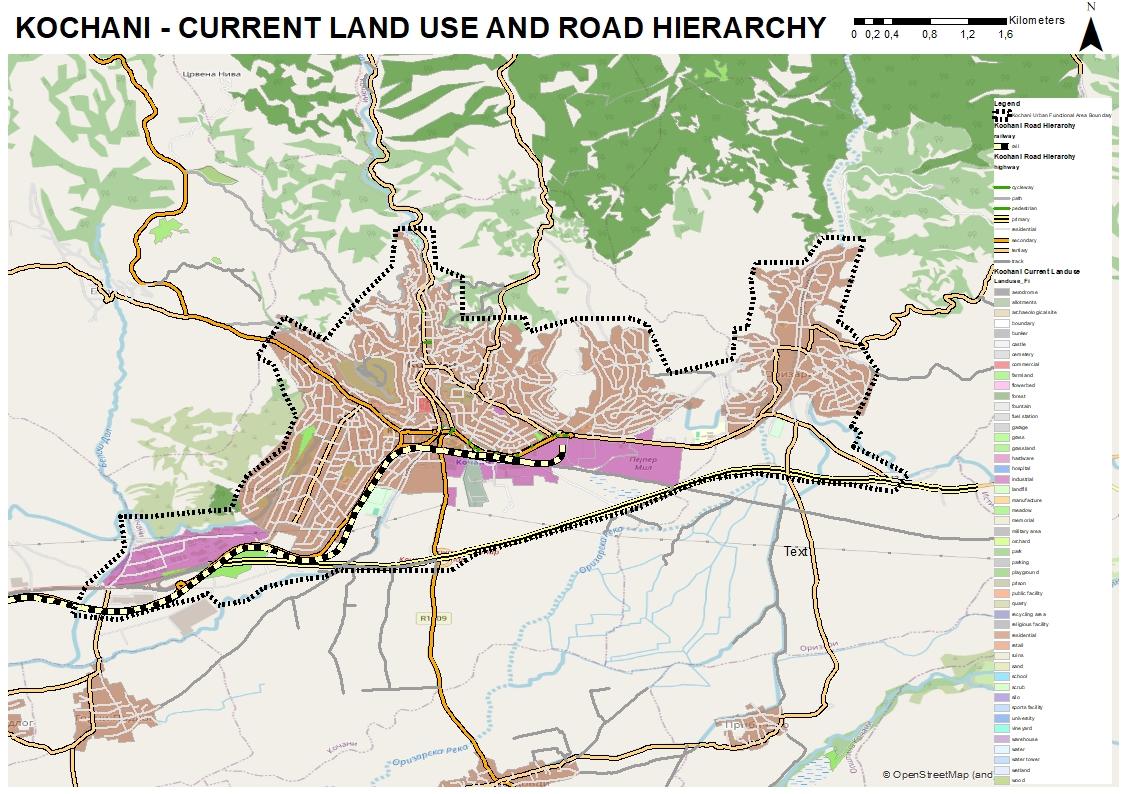
Source: MKSTAT Database
SWOT Analysis of Kocani
Strengths
Compact and Walkable Urban Structure: Approximately 91% of the population resides within the urban area, making most destinations reachable by foot or bicycle.
Existing Pedestrian Infrastructure: The city has over 34,000 m² of pedestrian-only areas, particularly in the central zone, promoting active travel.
Public Transport Accessibility: Despite a limited fleet, Kočani maintains six bus lines serving 13 rural settlements and the urban area, ensuring basic public mobility.
Flat Terrain and Favorable Climate: The city’s geography supports walking and cycling, which are further encouraged by mild weather conditions.
Literacy and Schooling: High literacy and education rates provide a strong foundation for raising public awareness about sustainable mobility.
Weaknesses
Aged Public Transport Fleet: The majority of the city’s buses are older than 20 years, contributing to air pollution, noise, and decreased reliability.
Limited Bicycle Infrastructure: Only 4.3 km of bicycle lanes exist, mostly disconnected and lacking safety features, discouraging widespread cycling.
Lack of Shared Mobility Options: There are no bike-sharing or e-scooter systems in place, limiting flexible and sustainable transport alternatives.
Low Public Transport Use: Despite existing lines, most residents rely heavily on private vehicles for daily transport.
Insufficient Infrastructure for Vulnerable Groups: The needs of elderly citizens and persons with disabilities are insufficiently addressed in current transport planning and infrastructure.
Opportunities
Integration with Regional Corridors: Proximity to important routes like the A3 express road and regional road network enables improved multimodal connections.
Potential for Bicycle Network Expansion: The city’s flat geography and available space present ideal conditions for expanding dedicated cycling infrastructure.
Digital Mobility Tools: Introduction of real-time tracking, smart ticketing, and journey planning apps can enhance public transport attractiveness and usability.
EU and National Funding: Funding opportunities exist to upgrade the public transport fleet and invest in green infrastructure through European and national programs.
Eco-Tourism and Environmental Branding: Kochani’s natural surroundings and rice fields offer potential for sustainable tourism supported by low-emission mobility.
Threats
Population Decline: A decreasing population trend (from 38,340 in 2021 to 37,809 in 2023) could reduce long-term transport demand and limit infrastructure investment.
Diesel Dependency: Over 57% of vehicles run on diesel, contributing to greenhouse gas emissions and undermining air quality.
Economic Constraints: The Eastern Region has a GDP per capita significantly below the national average, limiting local funding capacity for mobility upgrades.
Public Reluctance Toward Change: A cultural reliance on private vehicles and skepticism toward public transport may slow down sustainable modal shifts.
Climate Change Impacts: Rising temperatures, extreme weather, and changing precipitation patterns pose risks to transport infrastructure durability and safety.