Activity-1 Developing of Sustainable Urban Mobility Plans for 5 Municipalities
Task 1.1 – Set Up Working Structure, Determining the Planning Framework and Stakeholder Engagement
Task 1.2 – Analysis of Current State of Mobility
Task 1.3 – Strategy Development
Task 1.4 – Measure Planning and Selection of Preferred Scenario
Task 1.5 – Preperation of the Plan
Activity-2 Training on Developing and Implementation of SUMP and Creating Community of Practice
Task 2.1 – Training on Developing and Implementing of SUMPs
Task 2.2 – Community of Practice
Prilep
Prilep is a historically rich city in central North Macedonia, often referred to as the “city under Marko’s Towers” due to the medieval fortress ruins that overlook it from a nearby hill. Known for its production of high-quality tobacco and marble, Prilep has long been an important industrial center. The city also holds a deep cultural and historical legacy, with landmarks such as the ancient city of Styberra, Byzantine churches, and traditional Ottoman architecture. Prilep hosts several cultural festivals, including the International Monodrama Festival and the Beer Festival, drawing visitors from across the region. With its combination of historical depth, industrial strength, and vibrant cultural life, Prilep offers a compelling glimpse into North Macedonia’s diverse identity.
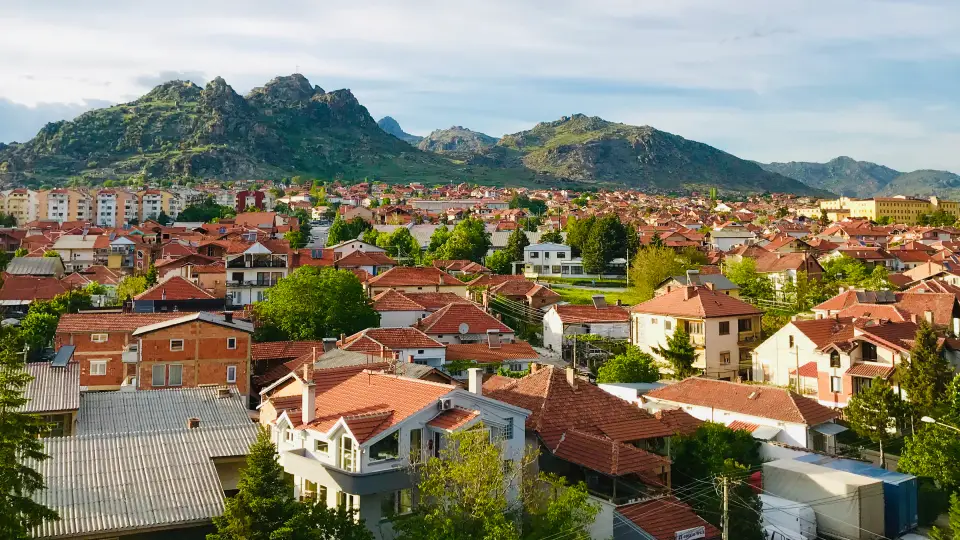
Prilep (Pop: 69.025): An important industrial centre, particularly for tobacco production, road improvements will enhance economic connectivity and improve living standards for its residents.
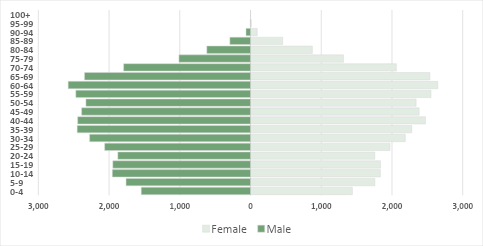
Population Related Information:
| Population | Households | Household Size | |
|---|---|---|---|
| North Macedonia | 1,836,713 | 598,632 | 3,07 |
| Vardar Region | 210,431 | 72,440 | 2,90 |
| Prilep | 69,025 | 24,607 | 2,81 |
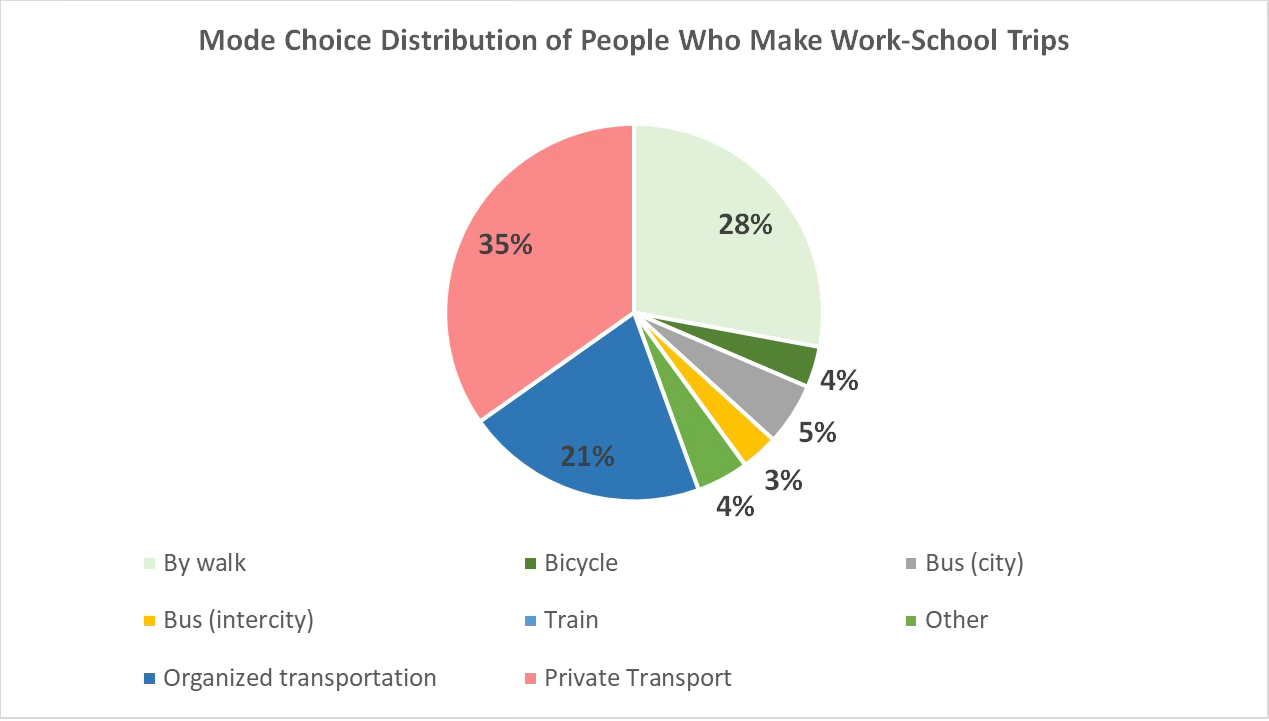
Mode Share Information:
Land Use and Road Hierarchy Related Information:
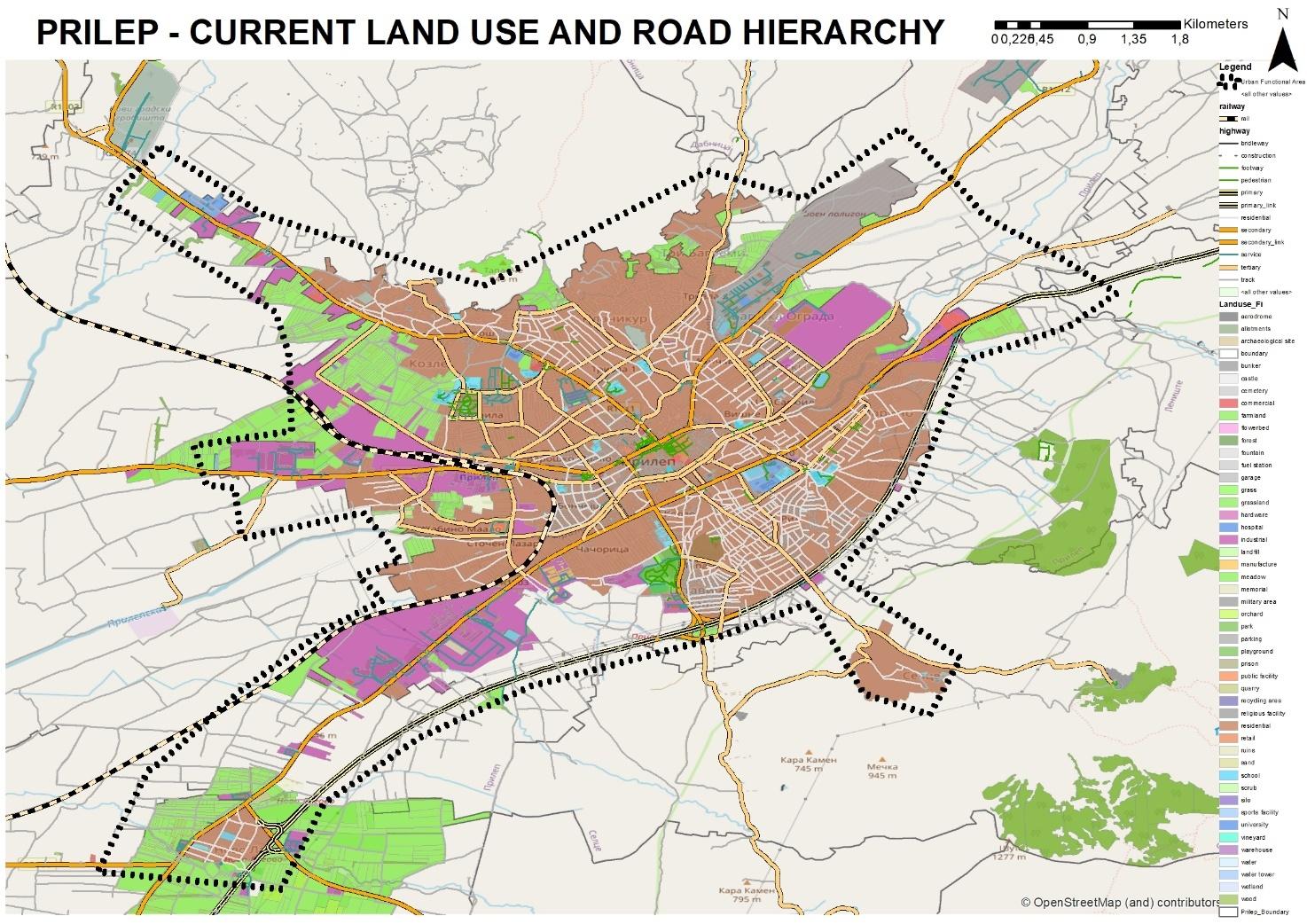
Source: MKSTAT Database
SWOT Analysis of Prilep
Strengths
Integrated Road Hierarchy: Clear road classification with 282 km of residential, secondary, and tertiary roads.
Functional Public Transport: Nine bus lines with regular service and subsidized fares (free for pensioners), ensuring citywide accessibility.
Compact Urban Form: 92% of residents live in the urban center, enabling short travel distances and supporting non-motorized transport.
Institutional Support: Structured municipal framework with active participation in national mobility planning (MoT, PSC).
Education and Literacy: 95.5% literacy rate facilitates public awareness, training, and adoption of technology-based mobility solutions.
Weaknesses
Aging Public Transport Fleet: 40% of buses are over 13 years old (some 30+), raising issues of emissions, comfort, and reliability.
Inadequate Bicycle & Pedestrian Infrastructure: Only 5.9 km of bike lanes; pedestrian zones cover 33,000 m² — insufficient for 69,000+ residents.
Low Shift to Sustainable Transport: 87.1% of registered vehicles are private cars, leading to congestion and pollution.
Lack of Shared Mobility: No e-scooter or bike-sharing services for first/last-mile connectivity.
Limited Accessibility for Disadvantaged Groups: 7% disabled population faces insufficient infrastructure and mobility services.
Opportunities
EU-Funded Infrastructure Projects: Inclusion in Corridor Xd and proximity to E75/M5 enable multimodal investment.
Expansion of Active Mobility: Urban plans support Transit-Oriented Development and growth of pedestrian/bike networks.
Public Awareness & Education: High education levels enable citizen engagement and promotion of sustainable mobility.
Digitalization & Smart Mobility: Potential for smart ticketing, real-time apps, and data-driven planning.
Tourism Development: Cultural landmarks (e.g., Marko’s Towers) offer opportunities for eco-tourism and low-carbon transport.
Threats
Demographic Decline: Population drop (69,025 in 2021 to 68,032 in 2023) may affect public transport demand and funding.
Air Quality Concerns: High PM2.5 levels; 57% of vehicles run on diesel, contributing to emissions.
Economic Constraints: Low GDP per capita in Pelagonia limits municipal investment capacity.
Climate Risks: Extreme weather events may disrupt non-resilient mobility systems.
Resistance to Change: Cultural preference for private cars and low awareness hinder sustainable transport adoption.