Activity-1 Developing of Sustainable Urban Mobility Plans for 5 Municipalities
Task 1.1 – Set Up Working Structure, Determining the Planning Framework and Stakeholder Engagement
Task 1.2 – Analysis of Current State of Mobility
Task 1.3 – Strategy Development
Task 1.4 – Measure Planning and Selection of Preferred Scenario
Task 1.5 – Preperation of the Plan
Activity-2 Training on Developing and Implementation of SUMP and Creating Community of Practice
Task 2.1 – Training on Developing and Implementing of SUMPs
Task 2.2 – Community of Practice
Kavadarci
Kavadarci is the heart of North Macedonia’s wine country, situated in the fertile Tikveš region in the south of the country. The city is internationally recognized for its wine production, particularly through the Tikveš Winery—one of the largest and oldest wineries in Southeast Europe. Kavadarci’s landscape is characterized by endless vineyards, rolling hills, and a warm Mediterranean climate ideal for viticulture. The annual Tikveš Grape Harvest Festival is a major cultural event that celebrates the city’s wine heritage with music, dance, and local cuisine. Beyond wine, Kavadarci also offers visitors access to nearby nature reserves, ancient ruins, and a welcoming local atmosphere.
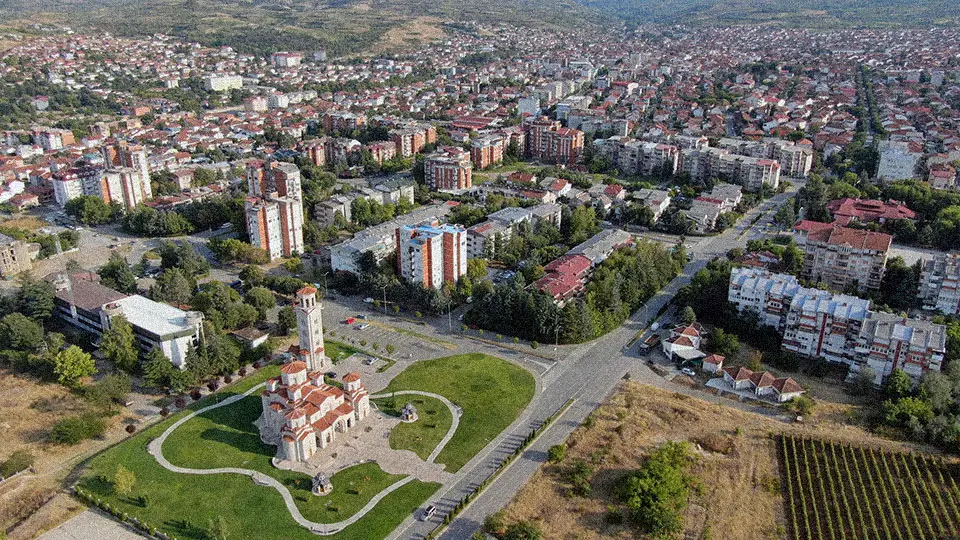
Kavadarci (Pop: 35.733): is a key centre for the wine industry, known for its agricultural production. Improving road infrastructure here will enhance access to markets and improve safety for local communities.
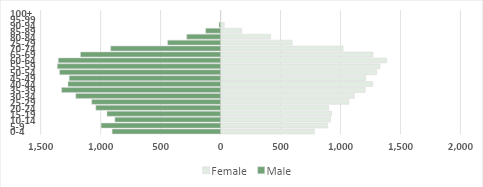
Population Related Information:
| Population | Households | Household Size | |
|---|---|---|---|
| North Macedonia | 1,836,713 | 598,632 | 3,07 |
| Vardar Region | 138,722 | 46,793 | 2,96 |
| Kavadarci | 35,733 | 12,375 | 2,89 |
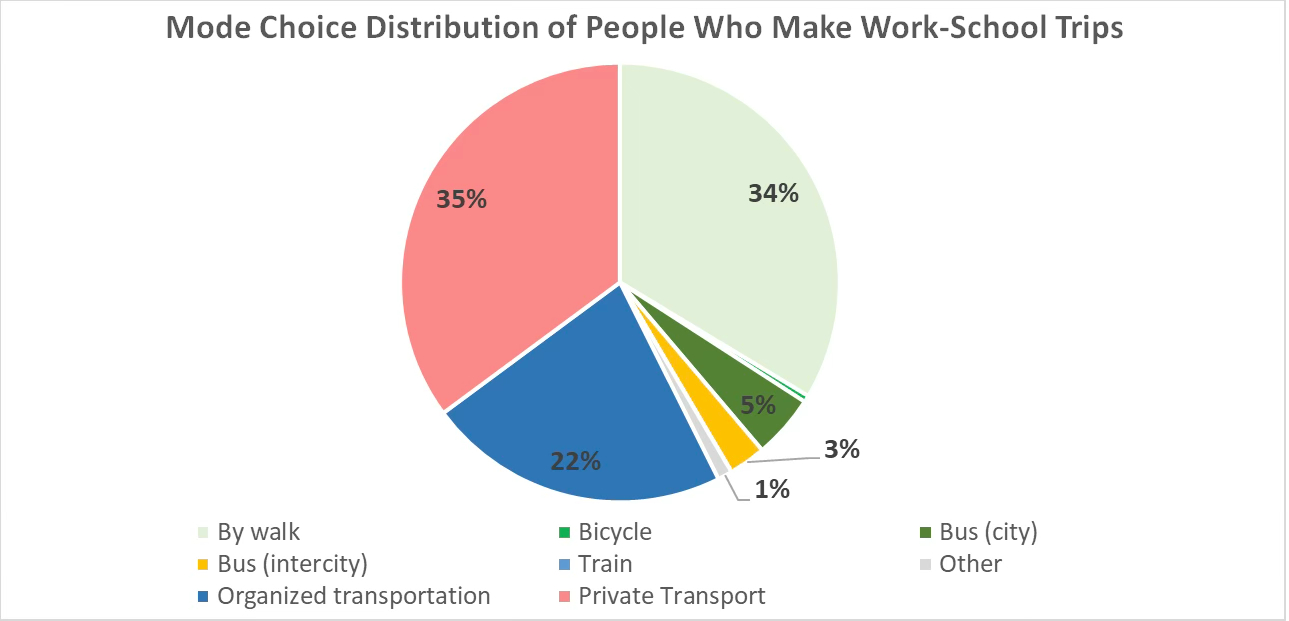
Mode Share Information:
Land Use and Road Hierarchy Related Information:
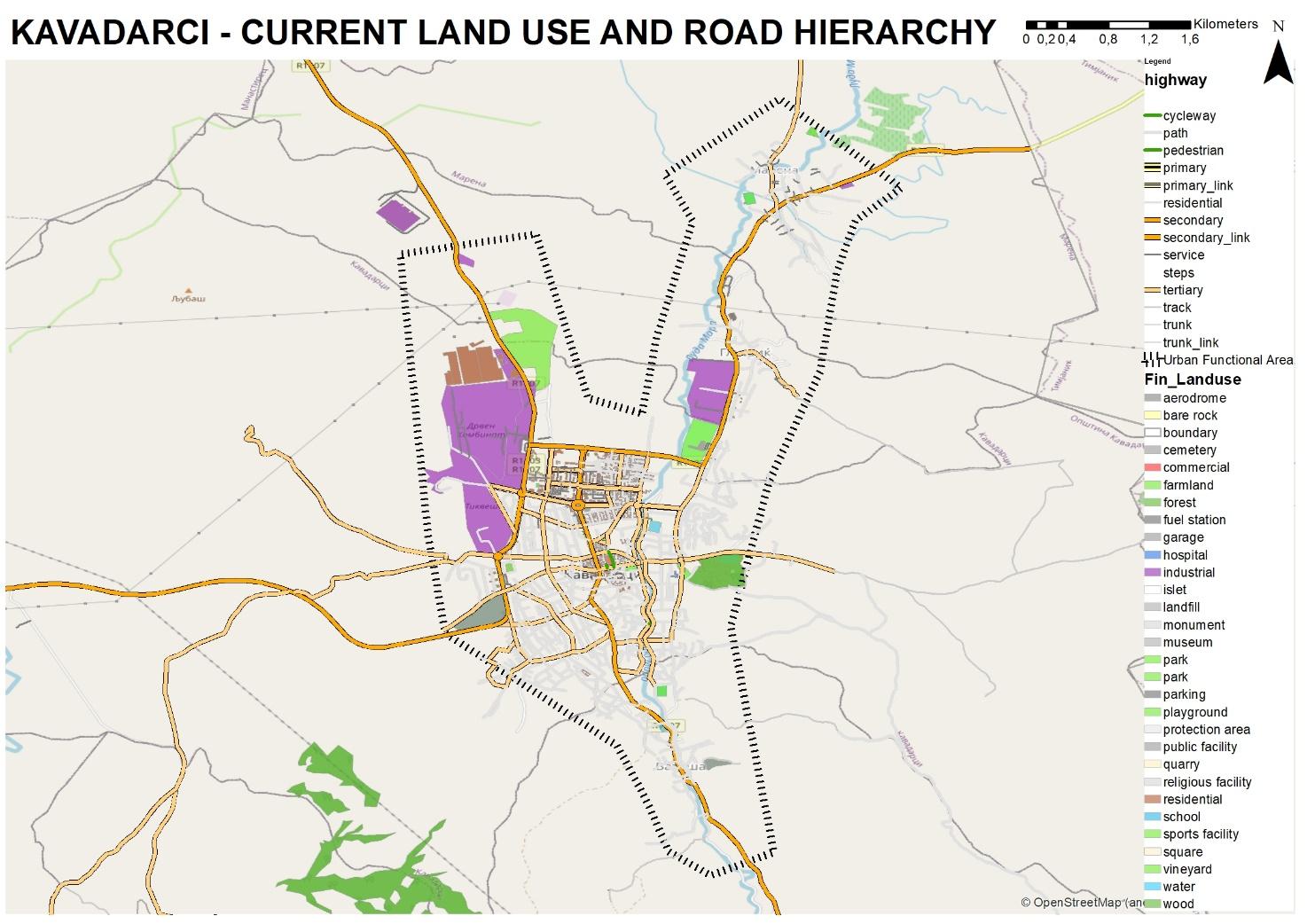
Source: MKSTAT Database
SWOT Analysis of Kavadarci
Strengths
Dense Urban Population: Over 90% of the municipality’s population resides in the urban center, which allows for short-distance travel and increased potential for active mobility solutions.
Flat Topography: The city’s geography is generally flat, offering ideal conditions for walking and cycling.
High Literacy and Educational Attainment: With literacy rates above 95%, the population is well-positioned to benefit from awareness campaigns and digital mobility solutions.
Regular and Subsidized Public Transport: The city offers subsidized bus services, including free access for pensioners, with consistent daily operations (5 routes, 87 departures/day).
Existing Pedestrian Areas: Over 15,000 m² of pedestrian-only areas are already established in the city center, promoting walkability.
Weaknesses
Aging Public Transport Fleet: Nearly 90% of public buses are over 15 years old, with significant emissions and comfort issues due to outdated diesel technology.
Limited Bicycle Infrastructure: Only 2.4 km of bicycle paths exist, and there are no dedicated bike lanes within the city core, discouraging cycling.
Low Public Transport Usage: A strong dependence on private cars persists, despite subsidized bus access. Modal split data suggests underutilization of collective transport modes.
Absence of Shared Mobility Services: No formal bike-sharing, scooter-sharing, or car-sharing systems are available, limiting first- and last-mile connectivity.
Accessibility Gaps: Although 6.5% of the population has disabilities, there is limited infrastructure or vehicle adaptation to support their mobility needs.
Opportunities
Connection to Pan-European Corridors: Kavadarci is strategically located near Corridor X and the Skopje-Gevgelija railway, offering multimodal integration potential.
Digitalization and Smart Mobility Applications: Opportunities exist to introduce mobile apps for real-time transit tracking, smart ticketing, and digital journey planning.
Expansion of Non-Motorized Transport Networks: There is physical space and public demand to extend pedestrian zones and create continuous cycling infrastructure.
Green Mobility Projects: EU and national funds can be utilized to modernize the bus fleet, reduce emissions, and promote e-mobility solutions.
Tourism and Cultural Heritage: As a wine-producing region with cultural landmarks, the city can benefit from low-emission mobility systems for visitors and locals.
Threats
Declining Population Trend: The municipality’s population decreased from 38,391 in 2021 to approximately 37,899 in 2023, which may affect long-term transport demand and financial viability.
Economic Constraints: The Vardar region has relatively low GDP per capita, limiting the city’s ability to invest in sustainable infrastructure independently.
Environmental Risks: Diesel dependency and increasing car usage contribute to air quality issues, particularly in winter months due to heating emissions.
Public Resistance to Modal Shift: Behavioral inertia and cultural attachment to private vehicle ownership may hinder adoption of public and active transport options.
Climate Vulnerabilities: Rising temperatures and changing precipitation patterns could impact infrastructure resilience and transport safety.