Activity-1 Developing of Sustainable Urban Mobility Plans for 5 Municipalities
Task 1.1 – Set Up Working Structure, Determining the Planning Framework and Stakeholder Engagement
Task 1.2 – Analysis of Current State of Mobility
Task 1.3 – Strategy Development
Task 1.4 – Measure Planning and Selection of Preferred Scenario
Task 1.5 – Preperation of the Plan
Activity-2 Training on Developing and Implementation of SUMP and Creating Community of Practice
Task 2.1 – Training on Developing and Implementing of SUMPs
Task 2.2 – Community of Practice
Strumica
Strumica, located in the southeastern part of North Macedonia, is a lively city known for its agricultural wealth and vibrant cultural traditions. The region produces a significant portion of the country’s fruits and vegetables, particularly peppers and tomatoes, and serves as a key economic hub. Strumica is also famous for its spectacular carnival, held every year before Lent, which features colorful costumes, parades, and deep-rooted folklore traditions. The city is surrounded by natural beauty, including the Smolare and Koleshino waterfalls and historic monasteries like Veljusa and Vodoča. With its unique blend of festive energy, agricultural importance, and scenic surroundings, Strumica offers a well-rounded experience for visitors.
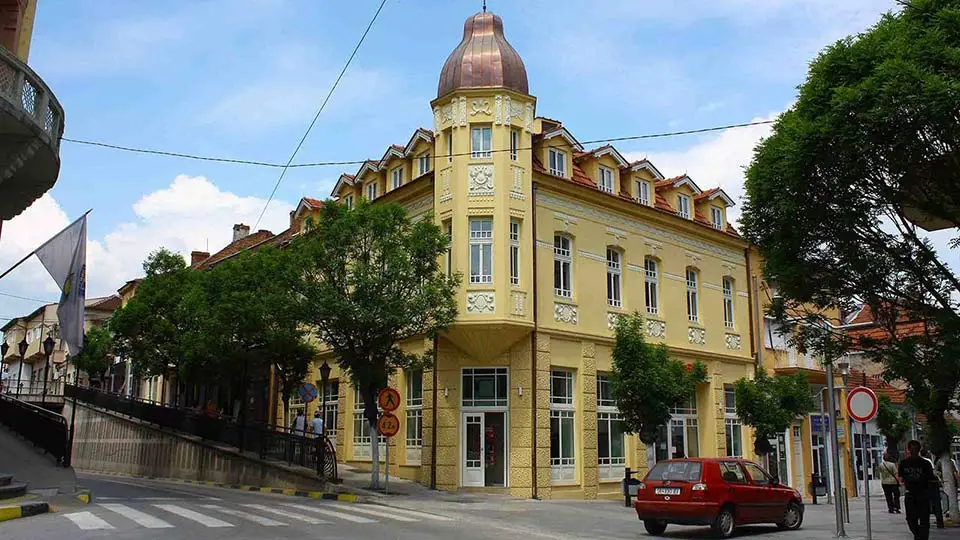
Strumica (Pop: 49.995): A vital agricultural and commercial hub in southeastern North Macedonia, better roads will support local economies and improve accessibility to public services.
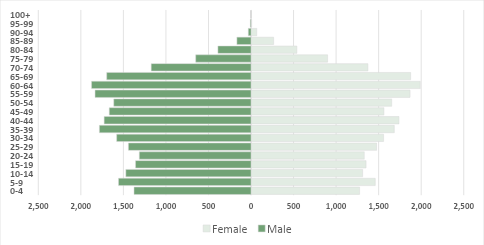
Population Related Information:
| Population | Households | Household Size | |
|---|---|---|---|
| North Macedonia | 1,836,713 | 598,632 | 3,07 |
| Southeastern Region | 148,387 | 52,537 | 2,82 |
| Strumica | 45,995 | 17,400 | 2,87 |
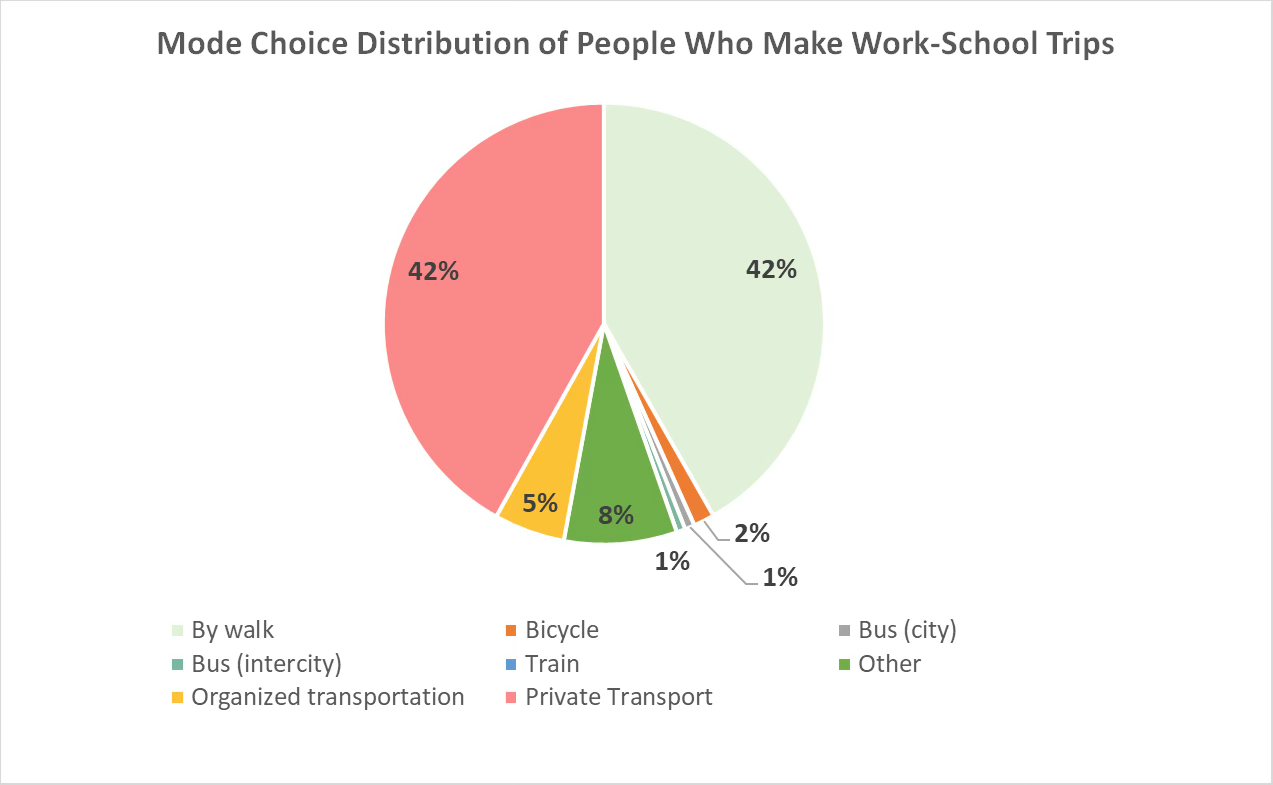
Mode Share Information:
Land Use and Road Hierarchy Related Information:
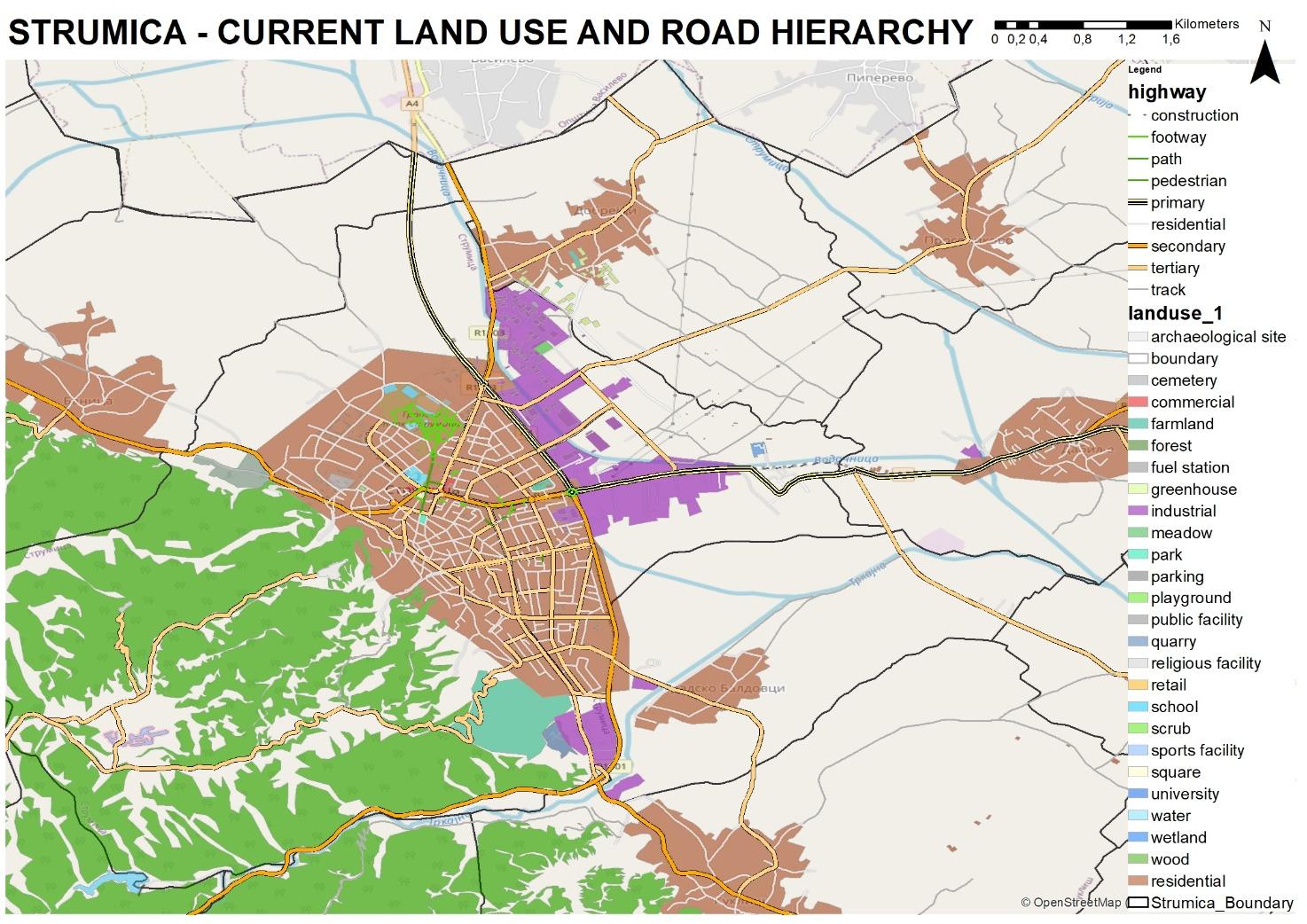
Source: MKSTAT Database
SWOT Analysis of Strumica
Strengths
Strategic Location: Enabling potential cross-border mobility and trade.
Dense Urban Core: The compact structure of the city allows for walkability and shorter trip distances.
Developed Road Network: A well-structured road hierarchy with a majority composed of residential and secondary roads supporting local traffic.
Electrified Bus Fleet: All-electric public transport fleet, contributing to lower emissions.
Public Spaces for Pedestrians: Car-free zones and pedestrian parks established in the city center.
Weaknesses
Limited Train Access: No direct train station in the city center; nearest stations are over 30 km away.
Lack of Modal Split Diversity: Car dependency remains high (over 80% of vehicles are private cars), with limited adoption of cycling and shared mobility.
Intersection Management: Most intersections are uncontrolled; only five are signalized.
Lack of Shared Mobility: No e-scooter or bike-sharing services for first/last-mile connectivity.
Bicycle Structure: Only 8.2 km of bike paths exist, with limited network connectivity and ongoing construction.
Data Gaps: Lack of real-time traffic and transport data hinders dynamic planning and optimization.
Opportunities
EU-Funded Urban Mobility Projects: Strumica can benefit from EU programs and infrastructure funds dedicated to green urban development.
Tourism Potential: Cultural heritage and proximity to Dojran Lake offer potential for tourism-related mobility enhancements (bike routes, pedestrian corridors).
Micromobility Integration: E-scooters and bike-sharing programs could be introduced to reduce congestion and promote last-mile connectivity.
Smart Transport Solutions: Investment in ITS (Intelligent Transport Systems) can improve efficiency and safety.
Threats
Urban Sprawl: Expansion into rural areas could increase trip lengths and reduce the efficiency of non-motorized transport modes.
Climate Change: Extreme weather events (e.g., heat, flooding) may affect infrastructure durability and safety.
Financial Constraints: Limited municipal budgets could slow down the implementation of necessary transport improvements.
Public Resistance to Modal Shift: Cultural preference for private car usage may slow the transition to sustainable modes.