Activity-1 Developing of Sustainable Urban Mobility Plans for 5 Municipalities
Task 1.1 – Set Up Working Structure, Determining the Planning Framework and Stakeholder Engagement
Task 1.2 – Analysis of Current State of Mobility
Task 1.3 – Strategy Development
Task 1.4 – Measure Planning and Selection of Preferred Scenario
Task 1.5 – Preperation of the Plan
Activity-2 Training on Developing and Implementation of SUMP and Creating Community of Practice
Task 2.1 – Training on Developing and Implementing of SUMPs
Task 2.2 – Community of Practice
Struga
Struga is a scenic town located on the northern shore of Lake Ohrid, one of Europe’s oldest and deepest lakes, and is traversed by the Black Drim River, which adds to its charm. Known for its laid-back atmosphere and natural beauty, Struga is a popular summer destination for both locals and international visitors. It is most famous for the Struga Poetry Evenings, an annual international poetry festival that attracts writers and artists from around the world. The city’s lakeside promenades, beaches, and nearby hiking spots make it perfect for both relaxation and outdoor activities. Struga combines cultural richness with a serene lakeside setting that appeals to all types of travelers.
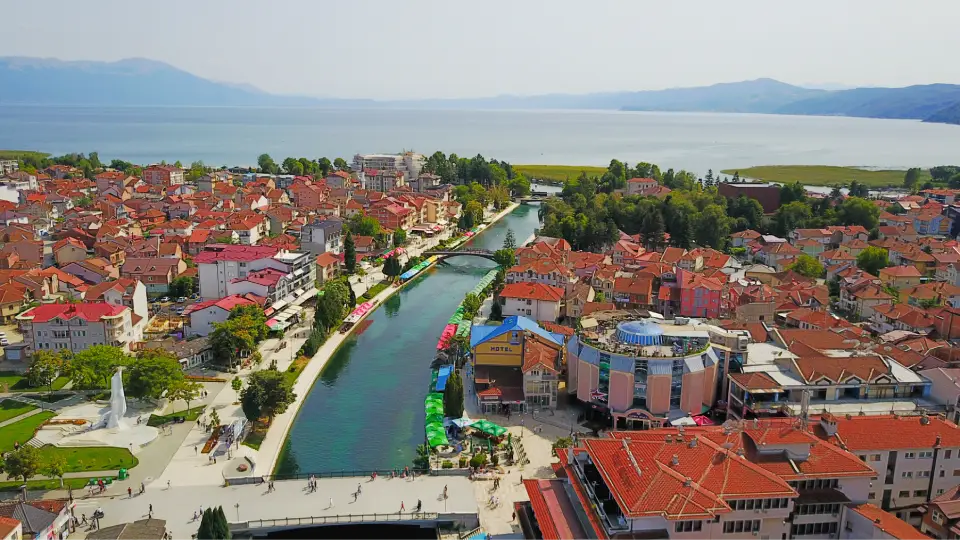
Struga (Pop: 50.980): A popular tourist destination on Lake Ohrid, improved mobility will boost tourism, enhance public safety, and ensure sustainable growth.
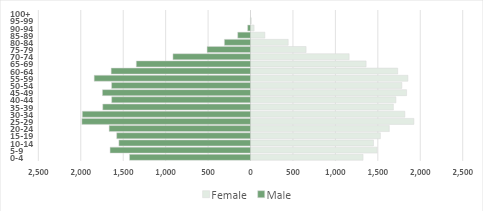
Population Related Information:
| Population | Households | Household Size | |
|---|---|---|---|
| North Macedonia | 1,836,713 | 598,632 | 3,07 |
| South Western Region | 177,398 | 57,500 | 3,09 |
| Struga | 50,980 | 14,606 | 3,49 |
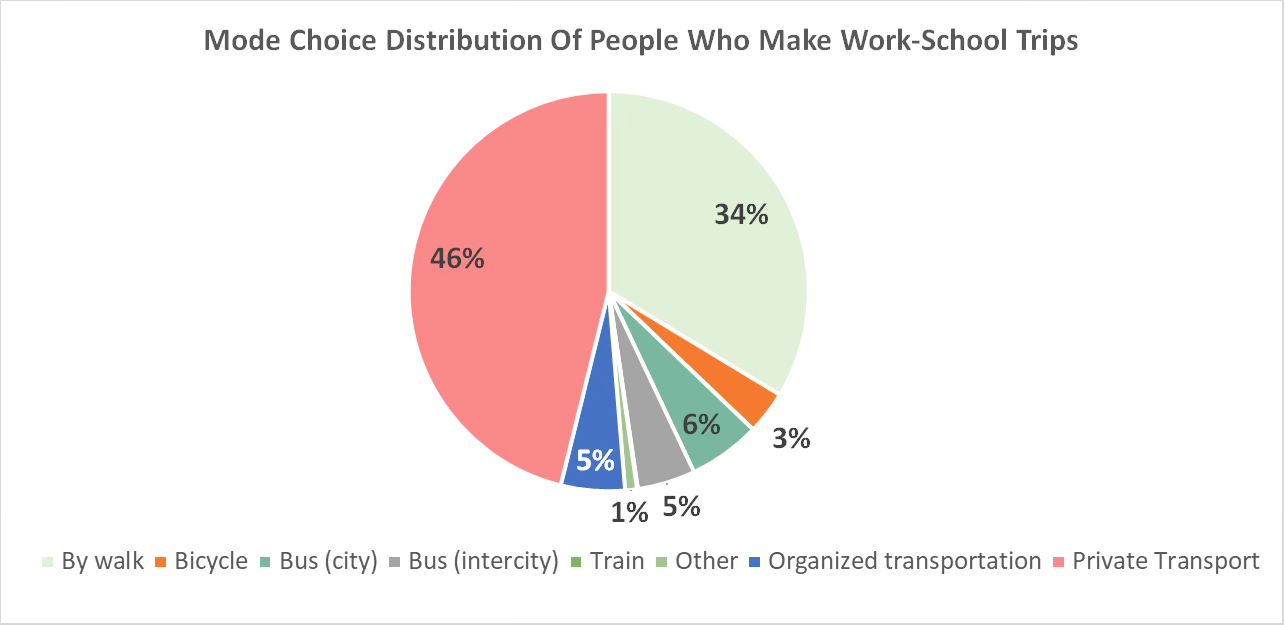
Mode Share Information:
Land Use and Road Hierarchy Related Information:
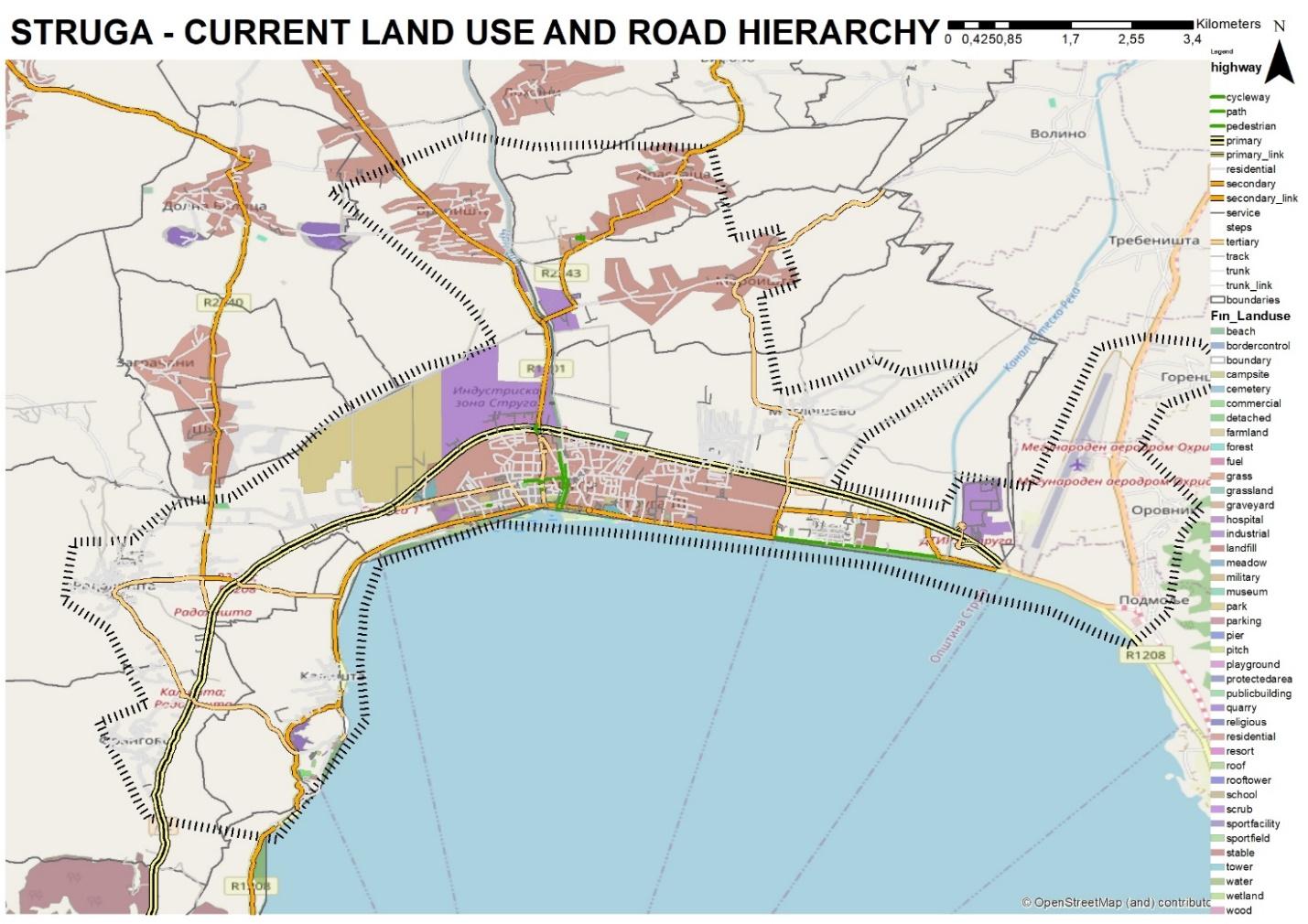
Source: MKSTAT Database
SWOT Analysis of Struga
Strengths
Strategic geographical location: Struga is located on the banks of Lake Ohrid and near the Albanian border, with national road corridors and tourism routes intersecting the municipality.
Walkable urban core: With a compact layout and relatively short travel distances, the city center is conducive to walking, particularly along the pedestrian promenade beside the river and lake.
Existing Pedestrian Infrastructure: Over 20,000 m² of pedestrian areas, especially in the lakeside and central tourist zones, support active travel and recreational walking.
Tourism-Driven Transport Demand: Seasonal tourism creates economic incentives and public interest in improved transport services and infrastructure.
Weaknesses
Seasonal congestion: A sharp population increase during the summer months overwhelms local infrastructure, leading to traffic congestion and parking shortages.
Lack of Connected bicycle infrastructure: There designated bicycle lanes in the city, limiting safe and efficient use of bicycles despite suitable terrain.
Outdated public transport Fleet: Most buses in the city’s network are over 15 years old, relying on diesel and lacking modern comfort and emission standards.
Insufficient Public Transport Coverage: The municipal public transport system is limited in frequency and geographic coverage, especially for peripheral settlements.
No Shared Mobility Systems: The city currently has no bike-sharing, e-scooter, or car-sharing services to support flexible, sustainable transportation options.
Opportunities
Tourism-Focused Mobility Planning: The city can integrate low-emission mobility systems (e.g., electric shuttle buses, bike rentals) targeted at tourists and seasonal visitors.
Funding for Green Infrastructure: Opportunities exist to access national and EU funds for upgrading public transport and expanding active mobility networks.
Development of Bicycle and E-Mobility Networks: The city’s flat terrain, tourist density, and existing recreational culture provide a strong foundation for introducing a more connected cycling network and micro-mobility solutions.
Digital Transport Services: Real-time information systems, mobile ticketing, and navigation apps can significantly improve public transport attractiveness.
Cross-Border Cooperation: Struga’s proximity to Albania opens the door for regional transport integration and cross-border mobility initiatives.
Threats
Environmental Degradation from Traffic: Uncontrolled seasonal traffic growth contributes to air and noise pollution, particularly near Lake Ohrid, a UNESCO-protected site.
Demographic Challenges: Population stagnation or decline in the off-season reduces long-term demand and may challenge investment sustainability.
Dependency on Diesel Vehicles: A majority of private and public transport still runs on diesel, undermining climate and health objectives.
Infrastructure Pressure During Tourist Peaks: Inadequate parking and road infrastructure strain municipal services and detract from the tourist experience.